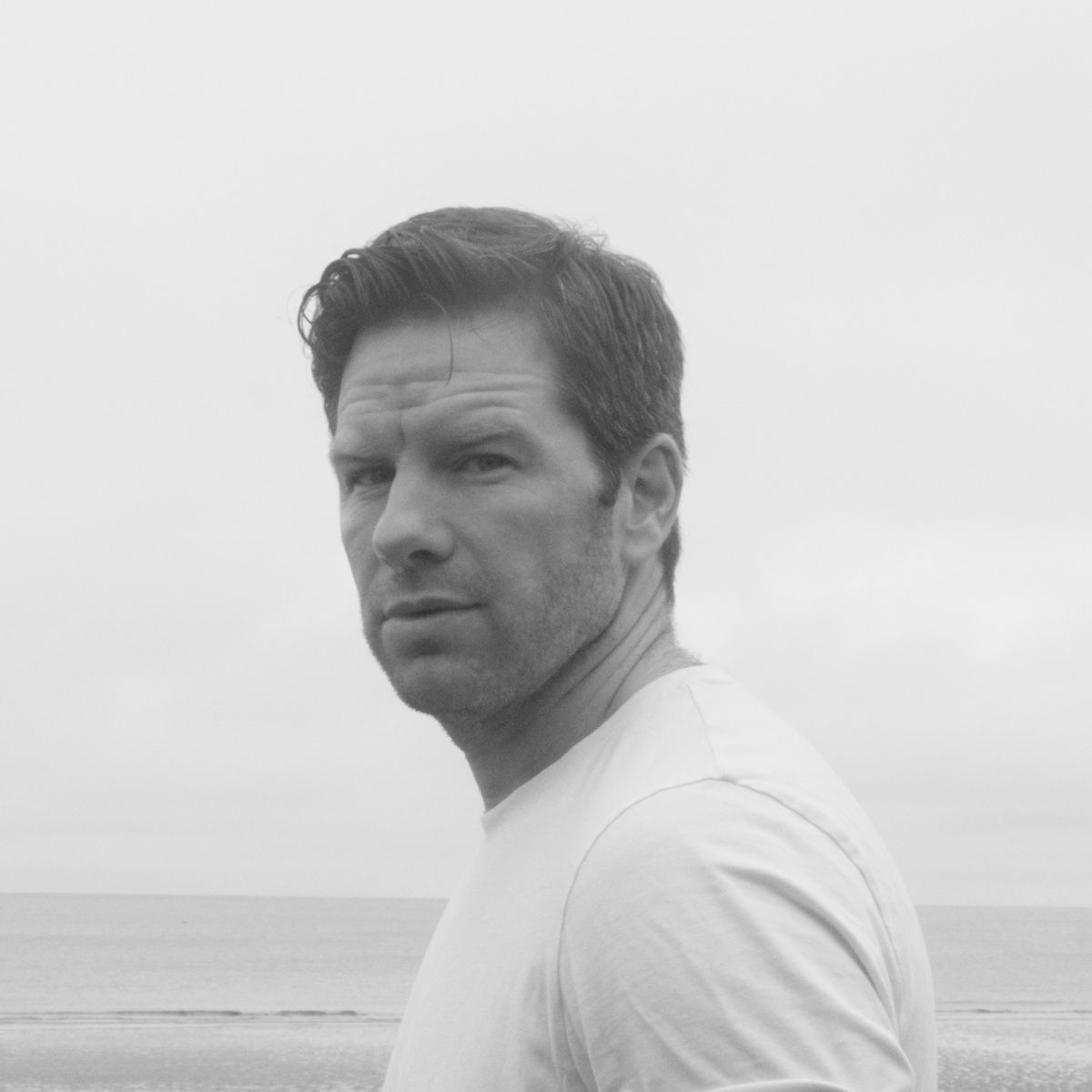
Six months ago everything changed. Not gradually. All at once. I made a decision about who I was going to be. The old patterns were gone and a new self-image was in place.
Psycho-Cybernetics
In the 1960s, a plastic surgeon by the name of Maxwell Maltz realised something important about psychology. The power of the self-image. He found it was the determining factor in personality change, and not the physical changes that occurred in the face after surgery.
We all have a self-image. It dictates what's possible for us. A picture of ourselves, who we are, what we're capable of, what we deserve. That image operates below the surface, quietly determining our outcomes and experiences. It determines what we attempt, what we avoid, how far we allow ourselves to go.
We cannot consistently outperform it.
You can push past your self-image for a short time, a burst of motivation, a good week, a hot streak. This is something I used to do all the time before I inevitably dropped off or changed focus. But the image pulls you back. Like a thermostat. The room heats up, the system kicks in, the temperature returns to the set point.
Most people spend their entire lives trying to change their behaviour while leaving the thermostat exactly where it is.
The self-image was acknowledged in psychology, but without explanation of how it functioned.
"I found my answer in the new science of cybernetics, which restored teleology as a respectable concept in science."
The word itself comes from the Greek kubernetes: the steersman. The mechanism that holds a course.
Have a clear goal
The subconscious is a servo-mechanism. Feed it a goal. A clear, specific image of where you're going, and it course-corrects toward it automatically.
This is why vague ambitions produce vague results. The servo-mechanism needs a target. A fixed point. Something specific enough to navigate toward.
Maltz found that meaningful self-image change took a minimum of 21 days of consistent practice. Not 21 days of thinking about it. 21 days of acting as the new person, before you feel like them, before the results arrive, before anyone else sees it.
Identity before behaviour.
"The self-image sets the boundaries of individual accomplishment. It defines what you can and cannot do. Expand the self-image and you expand the 'area of the possible.' The development of an adequate, realistic self-image will seem to imbue the individual with new capabilities, new talents, and literally turn failure into success."
Six months ago I didn't know any of this.
142 consecutive days later, without exception, I can tell you it works exactly the way Maltz said it does.
The self-image updated. The behaviour followed. The results are compounding.
The mechanism I used, the daily structure that made it concrete instead of aspirational is the Anchor System, which I’ll soon be releasing as a full and comprehensive guide. I more recently translated the same ideas into The Stones System, which is specifically about work-based goals, consistently outputting and distributing value daily. Three non-negotiables, every day, that act as daily evidence to the subconscious: this is who I am now.
Every stone laid is a vote for the new self-image.
This is a primer. The full picture on self-image, how to deliberately update yours, and how to build the system around it, that's coming in a future issue. But if you want to start today, the Stones System is free below.
Start today. The sooner you start, the sooner it compounds.
Daniel.
If this landed, forward it to one person who might benefit.